LakeFreeze Editorial Team

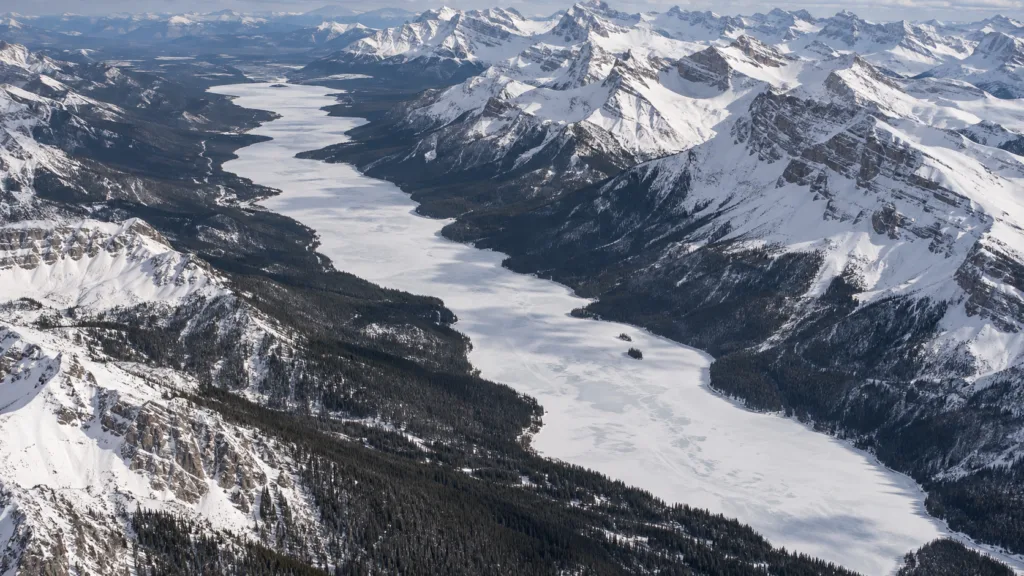
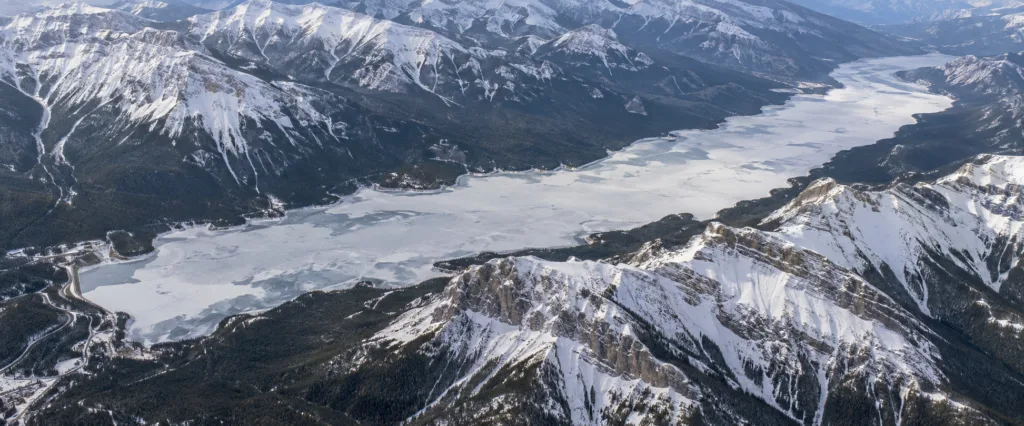
Maligne Lake is frozen during winter, with thick ice covering the surface as temperatures drop below freezing.

Maligne Lake Freeze

Maligne Lake freezes seasonally and carries broad winter ice cover for much of the cold season. Spring is the less predictable part of the cycle: field work in the Maligne watershed described ice-off as usually occurring in early June, which means substantial ice can remain through May even when lower-elevation lakes have already opened. Why

Maligne Lake Freeze Read More »

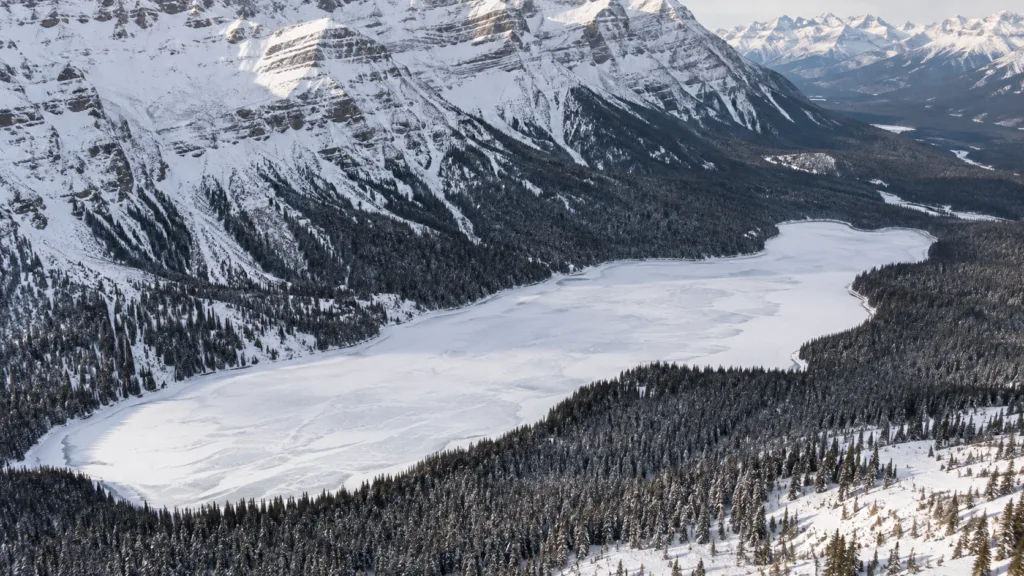
Peyto Lake freeze occurs during winter when the temperatures drop enough to solidify the water surface.

Peyto Lake Freeze

Peyto Lake normally develops complete seasonal ice cover rather than remaining partly open through the Canadian Rockies winter. Parks Canada describes it as frozen and snow-covered in winter, while repeated seasonal observations place the autumn freeze-over within November. The reverse transition is late for a lake this far south: ice commonly remains through May, with

Peyto Lake Freeze Read More »

Moraine Lake is frozen during winter, with a thick ice cover reflecting cold temperatures and the onset of lake freeze conditions.

Moraine Lake Freeze

Moraine Lake develops sustained winter ice, but its autumn ice-on date is not documented with the same precision as its spring thaw. Historical limnological data point to a relatively short open-water season at this high-elevation Banff lake rather than to a single dependable freeze date. The historical record is stronger for open water than for

Moraine Lake Freeze Read More »

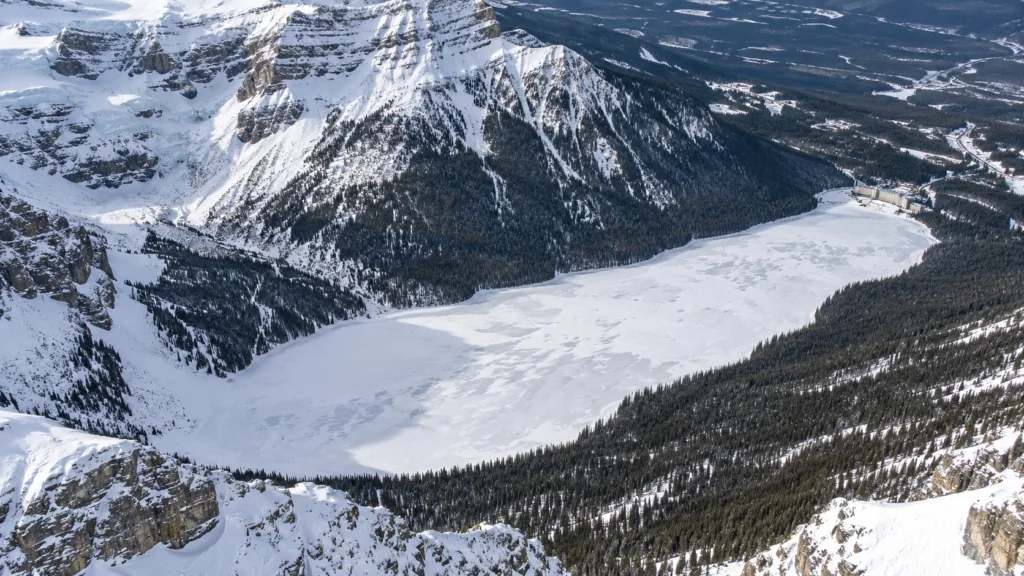
Lake Louise freeze shows a partially frozen lake surrounded by snow-covered mountains during winter.

Lake Louise Freeze

Lake Louise is a regular seasonal freeze-over rather than a lake that only develops shoreline ice. Full surface cover typically arrives late in November and lasts through the cold season, while breakup is usually completed around late May. Why a 1,731-Metre Mountain Lake Freezes Over Parks Canada places Lake Louise at about 1,731 m above

Lake Louise Freeze Read More »

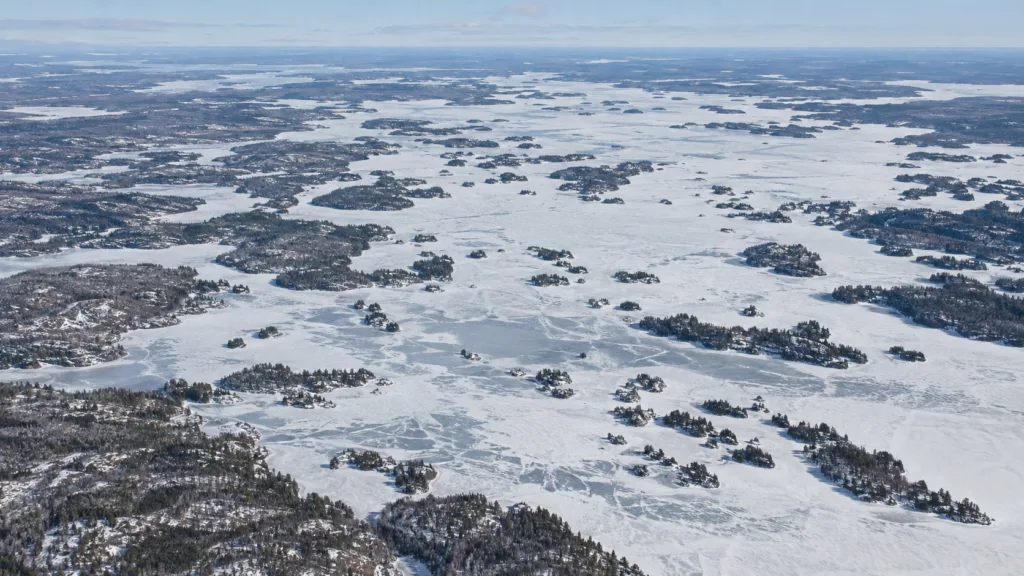
Rainy Lake begins freezing during winter, with ice gradually forming across its surface as temperatures drop.

Rainy Lake Freeze

Rainy Lake normally develops complete seasonal ice cover rather than remaining as a patchwork of open water and frozen bays through winter. Its winter record is best understood as a cycle with a fairly stable seasonal shape but movable boundaries: freeze-over centers on early December, while breakup can move through a much wider part of

Rainy Lake Freeze Read More »

Lake George freeze shows the lake covered with ice during winter, indicating it has fully frozen over in cold temperatures.

Lake George Freeze

Lake George develops substantial winter ice and can freeze completely from its southern end to its northern end, but a full freeze is no longer dependable every winter. Its long ice record is especially useful because “ice-in” refers to complete lake coverage rather than the first appearance of shoreline or bay ice. Why shoreline ice

Lake George Freeze Read More »

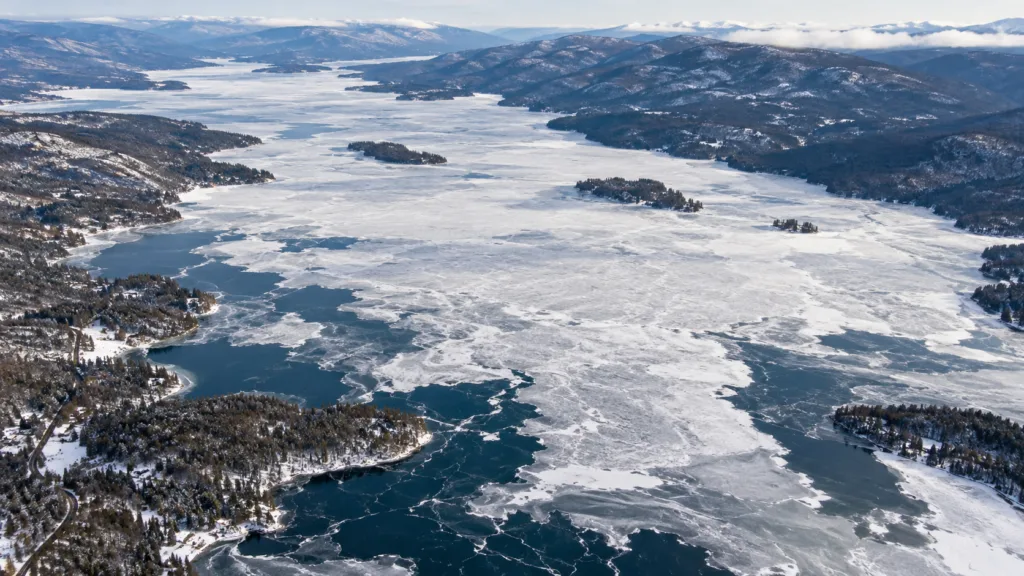
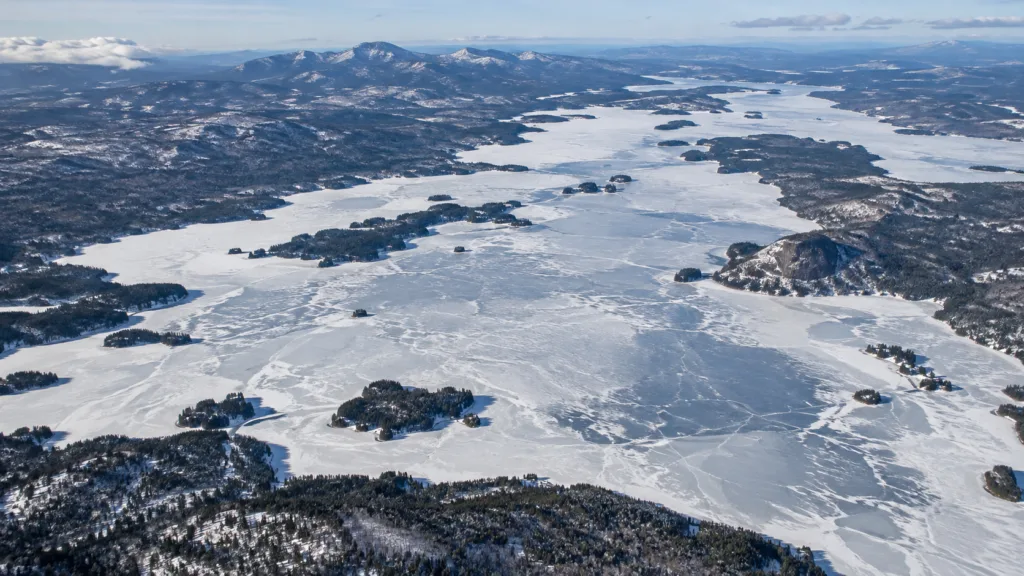
Moosehead Lake freeze shows thick ice cover during winter, indicating the lake's typical freezing period in colder months.

Moosehead Lake Freeze

Moosehead Lake develops broad seasonal ice during northern Maine winters, but the surface should not be treated as one uniform sheet. Local open-water areas can occur around tributaries, narrows and other moving-water zones, and the lake’s famous spring ice-out date does not mean every remaining piece of ice has disappeared. Ice-out means the lake is

Moosehead Lake Freeze Read More »