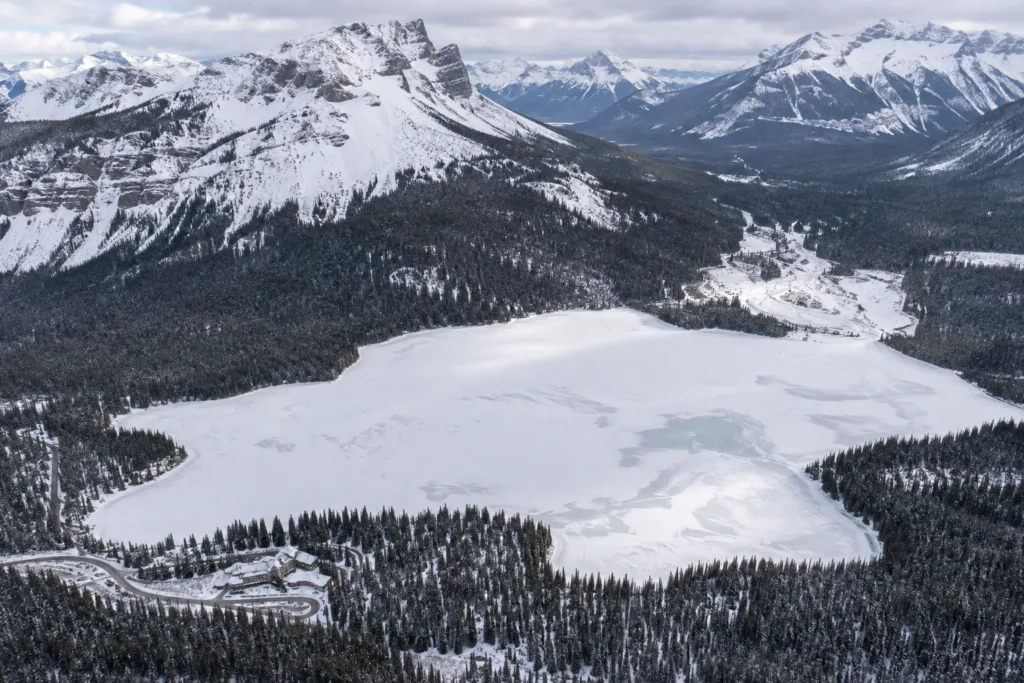
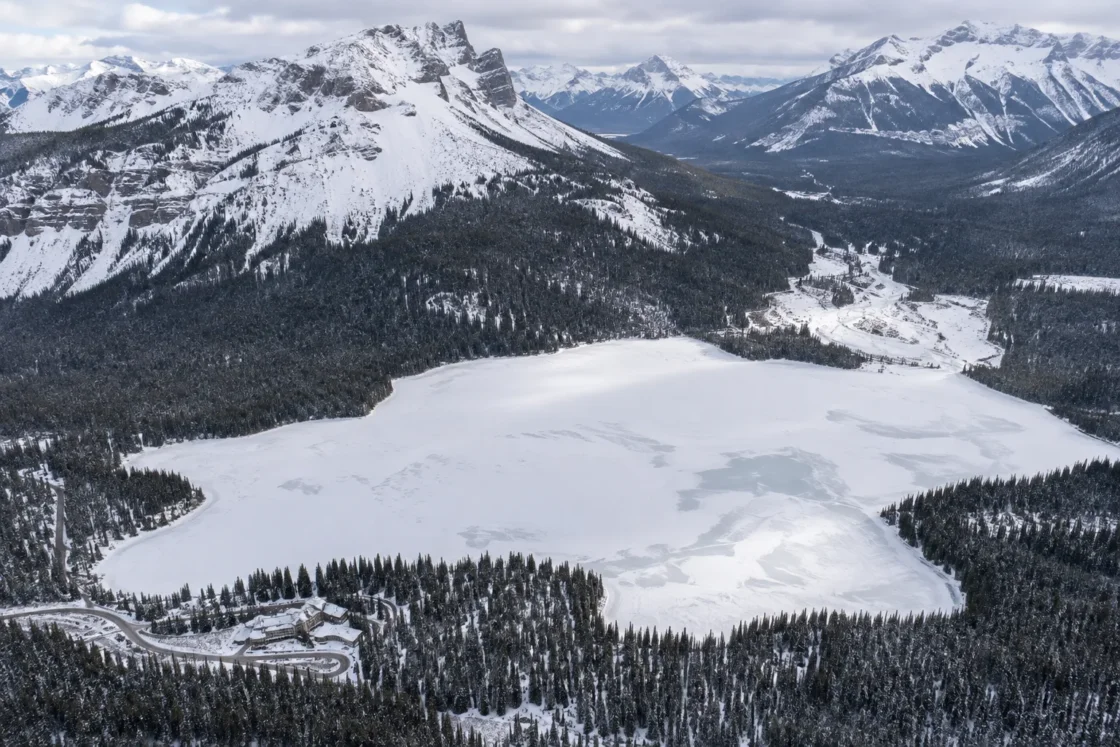
Seasonal lake-wide freeze-over
Official Winter Trail Evidence and Local Operational ObservationParks Canada — Recommended Winter Trails, Yoho National ParkEmerald Lake Lodge — Frequently Asked QuestionsEvidence: HighSustained winter cooling allows surface ice to consolidate across Emerald Lake, while autumn weather controls how quickly the lake progresses from first ice to an established full freeze.
Where Is Emerald Lake?
British Columbia · Canada
Emerald Lake on the Globe
Rotate the world or focus directly on the lake.
Evidence Behind the Freeze Profile
Parks Canada changes the Emerald Lakeshore winter route from an early-season shore alignment to a route across the lake once the surface is frozen. Emerald Lake Lodge independently describes winter operations beginning when the lake is fully frozen.
Official Winter Trail EvidenceParks Canada — Recommended Winter Trails, Yoho National ParkEmerald Lake Lodge — Frequently Asked QuestionsEvidence: HighThe lodge operator reports that cross-country ski and snowshoe rentals begin when Emerald Lake is fully frozen, typically just before Christmas. This describes the practical timing of an established full freeze rather than the date of first ice formation.
Local Operational ObservationEmerald Lake Lodge — Frequently Asked QuestionsEvidence: ModerateSources
Emerald Lake in Yoho National Park develops broad seasonal ice cover and reaches a fully frozen state during winter. The strongest evidence is unusually direct: Parks Canada maintains an alternative winter route that crosses the lake after the surface has frozen, while the lodge operator reports that the lake is typically fully frozen by just before Christmas.
Full freeze is later than the first appearance of ice
The late-December timing should not be interpreted as Emerald Lake’s first freeze-up date. Shoreline ice, thin surface ice and incomplete coverage can develop before a lake reaches the consolidated condition described as fully frozen. The available operational information specifically identifies the point at which full freezing has been established, not a standardized scientific ice-on date.
This distinction matters because freeze phenology can use several different thresholds. A monitoring program might define ice-on as the first day of complete visible coverage, the beginning of persistent coverage or another repeatable criterion. The winter-use observations available for Emerald Lake do not establish such a long-term statistical series, so assigning a precise average freeze-up date would imply more certainty than the evidence supports.
The Parks Canada route reveals the progression of the freeze
Parks Canada’s Emerald Lakeshore winter route explicitly changes with lake conditions. During the early part of the season, when the lake route is not yet ready, the maintained alignment follows the perimeter. After the lake surface has frozen, the route shifts onto Emerald Lake itself.
That seasonal change provides stronger evidence than a generic description of a snowy lake. It shows that freeze-over is a recurring part of the site’s winter cycle and that early-season conditions are treated differently from the later, established ice-covered period. It also prevents a common interpretation error: the presence of autumn ice does not mean the entire lake has already reached its normal winter state.
Why the exact freeze date moves from year to year
Complete freeze-over depends on how rapidly the lake loses stored heat during late autumn. Sustained cold promotes ice formation, while warmer spells, wind and continued mixing can delay consolidation. Snow arriving during the transition can further alter the exchange of heat between newly formed ice, the atmosphere and the water below.
For Emerald Lake, the available sources support a recurring full winter freeze and an approximate late-December benchmark for established coverage, but they do not provide a multi-decade series of standardized freeze-up dates. The most defensible description is therefore a regular seasonal freeze with variable annual timing rather than a fixed calendar date.
Spring breakup is less precisely documented
The cited sources are much stronger on winter freeze-over than on long-term spring ice-off timing. Seasonal operations clearly transition back toward open-water use as conditions warm, but an operating date is not equivalent to a scientifically defined breakup date. Weather, remaining snow and local ice conditions can all affect that transition.
Without a consistent multi-year ice-on and ice-off record, a precise typical ice duration would also be speculative. Emerald Lake can therefore be classified confidently as a lake with complete seasonal winter ice, while exact annual freeze duration and breakup timing remain less well constrained by the available monitoring record.
Similar Lakes by Freeze Pattern
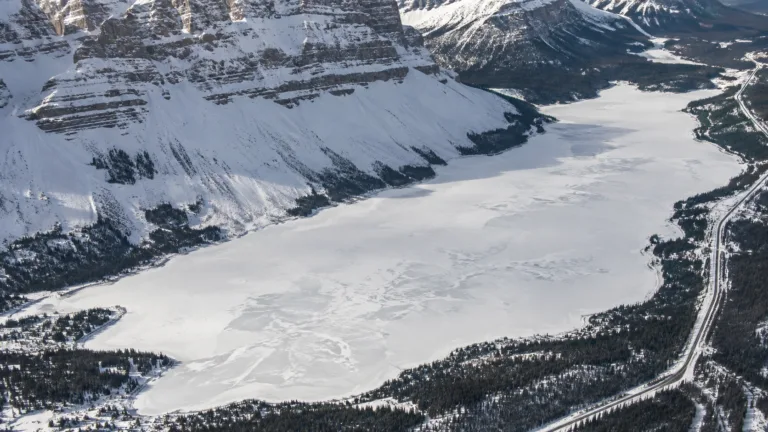
Bow Lake Freeze
Usually Fully Freezes
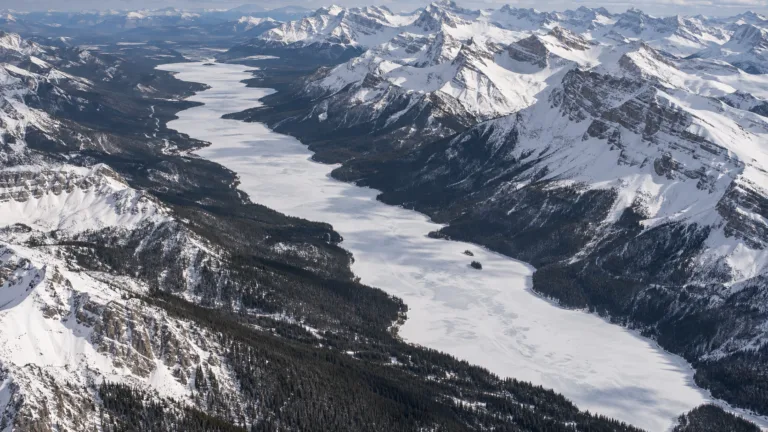
Maligne Lake Freeze
Usually Fully Freezes
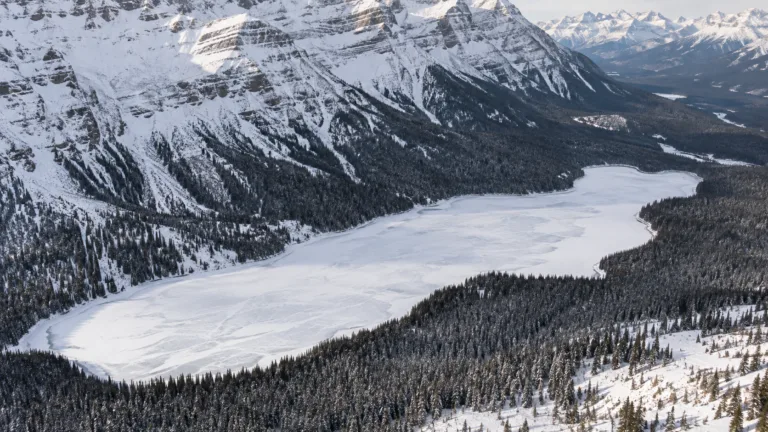
Peyto Lake Freeze
Usually Fully Freezes

Moraine Lake Freeze
Usually Fully Freezes
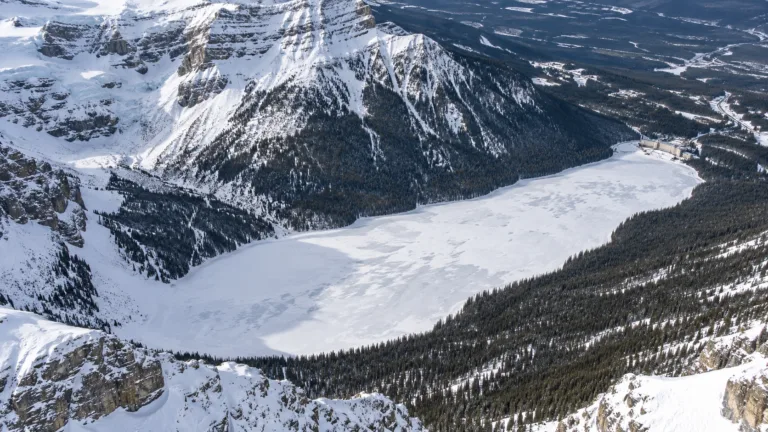
Lake Louise Freeze
Usually Fully Freezes
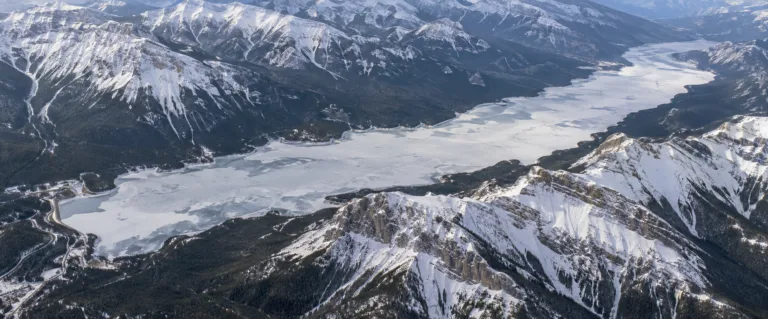
Lake Minnewanka Freeze
Usually Fully Freezes